
Latest News
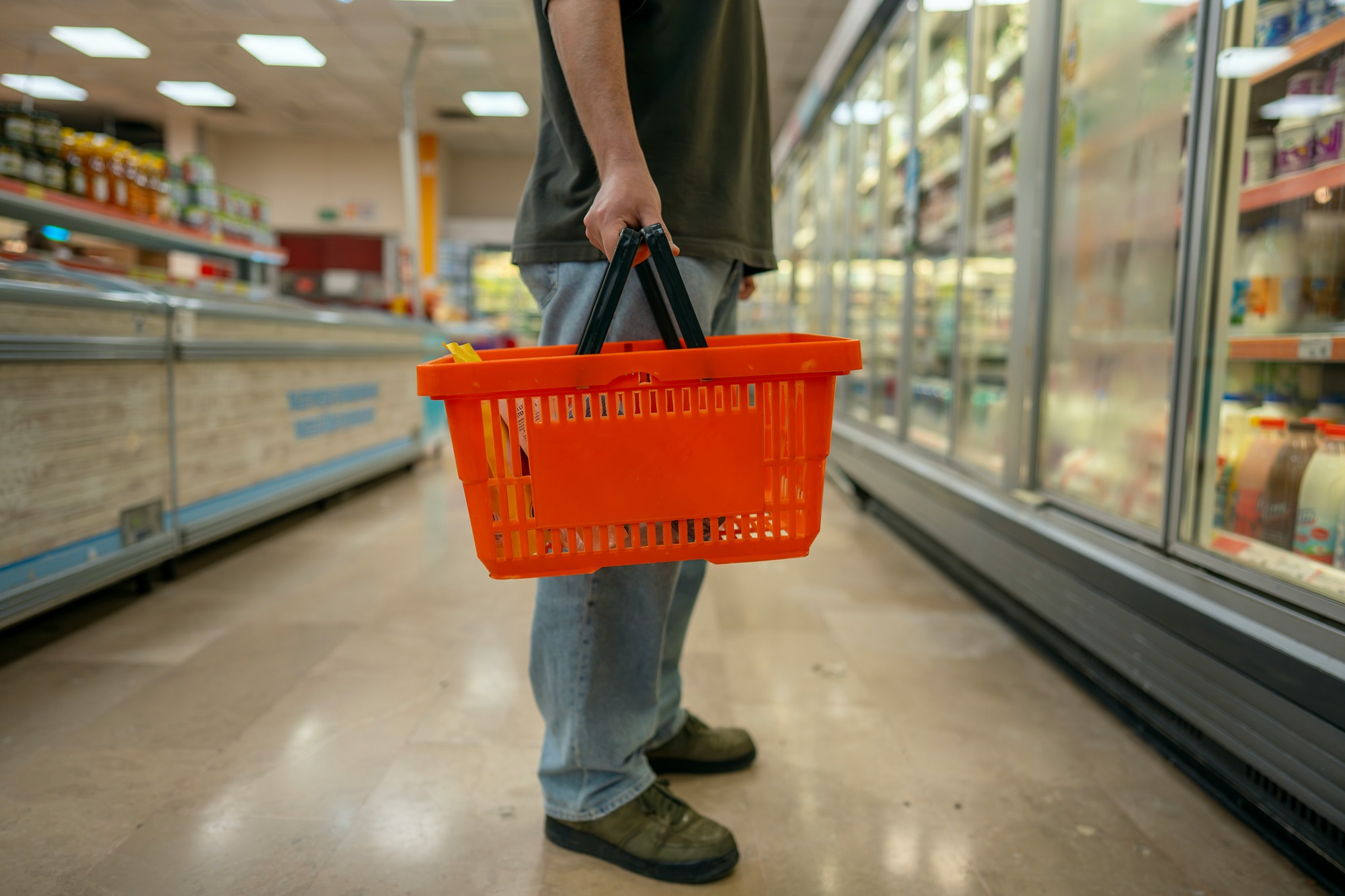
Food and non-alcoholic beverage inflation has increased from 3.3% in the 12 months to March 2026 to 3.7% this month
This comes from the latest data from the Office of National Statistics and is reported by The Food Foundation via its Food Prices Tracker.
The Food Foundation's Basic Basket, which tracks the cost of a weekly shop, has seen the cost of the woman's basket of food go up by 29.2% since April 2022 and a rise of 36.4% for the man's basket. The total costs are now £52.98 and £59.38.
The Food Foundation says that while it is too early to say the exact impact of current conflicts globally, historical data suggest geopolitical instability is expected to translate into food prices. In the UK, the Food and Drink Federation revised its food inflation forecast in view of recent geopolitical events. It is now anticipated that food inflation will reach 9% by the end of the year, whereas previously the predicted figure was considerably lower at 3%.

Beer is a bigger source of vitamin B6 than previously realised
Authors say a serving of beer may contribute up to 15% of your daily requirements of B6 and the lager doesn't have to be alcoholic to contain the vitamin.
Many of the raw ingredients used to make beer, such as barley, wheat and brewer's yeast, contain vitamin B6 and the brewing process doesn't kill it all off, new research suggests.
The study tested 65 different beers bought from local supermarkets in Germany and found bock beer had the highest B6 content, followed by lagers, dark lagers, and wheat beers. Rice beers had the least B6 content. An average lager in the study provided 20% of the recommended dietary allowance for vitamin B6, and one of the non-alcoholic lagers they tested provided nearly 59%.
The research was published on PubMed.

The School Food Standards consultation is here: help inform the BDA's response and have your say
The BDA will be submitting a formal response to the consultation, championed by its Free School Meals working group. It is asking for input from members in order to then review all submissions and inputs to inform the BDA’s response.
It is particularly interested in insights on:
barriers to implementation and compliance
opportunities to strengthen nutritional quality
considerations around sustainability and inclusivity, especially for children with special and medical diets
examples of best practice or innovative approaches
To contribute, members should send their comments, evidence or examples to Rhianna Mallia, the BDA's Free School Meals Campaign Lead, by 11 May 2026. It is also hosting a campaign meeting to discuss the consultation response on 11 May on MS Teams. To attend, contact Rhianna requesting the invitation.

EDS UK launches new diet and nutrition programme called Nourished© for its members
As well as some new webinars, EDS UK are offering individual, one-hour appointments with their Dieticians Chloe Hall and Alison Holloway. In these sessions, members will be able to discuss nutrition needs, issues they may be having with gut health and more.
There is a £15 payment (non-refundable) to attend a session to ensure that appointments are kept. EDS UK will be subsidising the rest of the payments.
For people who would like follow-up appointments, Chloe and Alison are offering a reduction in their fees.
Chloe Hall is a Specialist Dietitian with a particular focus on gut health and complex conditions such as Ehlers-Danlos Syndrome (EDS), Mast Cell Activation Syndrome (MCAS), Postural Tachycardia Syndrome (PoTS), and histamine intolerance.
Alison’s specialist area privately is working with people who are neurodivergent and have chronic illness such as EDS/HSD, MCAS, PoTS and M.E and/or eating disorders.
In the news last week

Dieters feast their eyes on digital food content to help curb cravings, study suggests
The study, led by the University of Bristol in the UK, challenges the belief that being shown visuals of tempting, unhealthy foods encourages people to indulge in eating them.
The research, in collaboration with the University at Buffalo School of Management, The State University of New York in the US, conducted three experiments involving a total of 840 participants aged between 19-77, combining two online surveys and a controlled laboratory study.
In one experiment, participants viewed short videos on social media depicting both high-calorie and low-calorie chocolate desserts. Dieters spent 30% longer viewing the indulgent option compared to non-dieters. But, when later given access to real chocolates presented in a bowl, dieters consumed significantly less chocolate than non-dieters, suggesting that prior visual exposure may have reduced their desire to indulge.
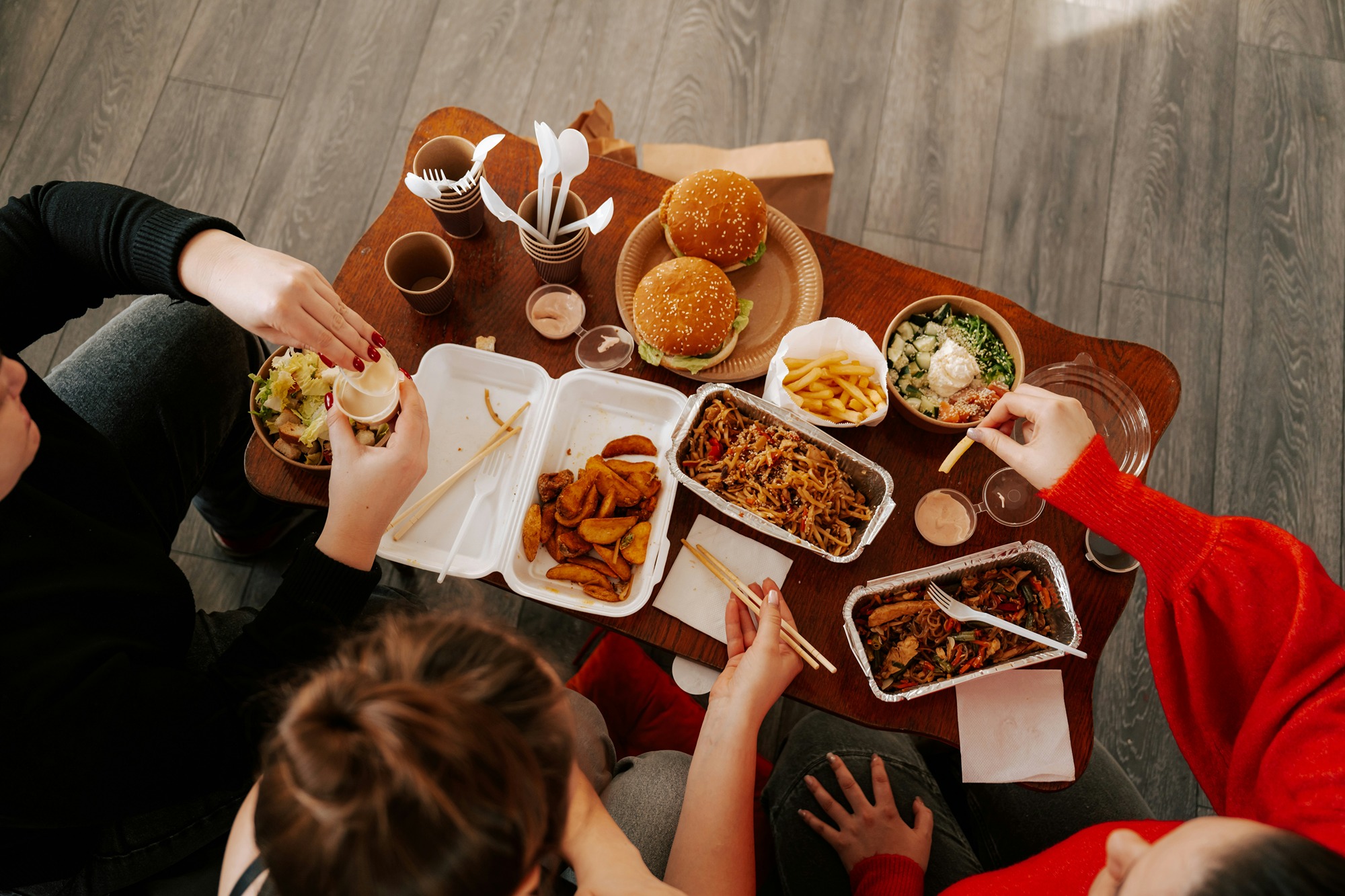
Many UK adults want to avoid ultra-processed foods but struggle to define them clearly
In a recent study published in BMC Global and Public Health, researchers conducted a qualitative investigation looking at perceptions of ultra-processed foods (UPFs) in the United Kingdom. The study utilised thematic analysis on data from 30 UK adults with primary household food responsibilities.
Results demonstrated that study participants generally viewed UPFs as artificial and potentially unhealthy, yet they could not easily understand the Nova classification system or identify its boundaries.
It also found that while participants largely viewed industry-sponsored messaging with scepticism, they sometimes found personal testimonies from social media influencers relatable or helpful.
Notably, negative perceptions of UPFs didn't always translate into behavioural changes. This is likely due to cost, convenience, taste and family practices.
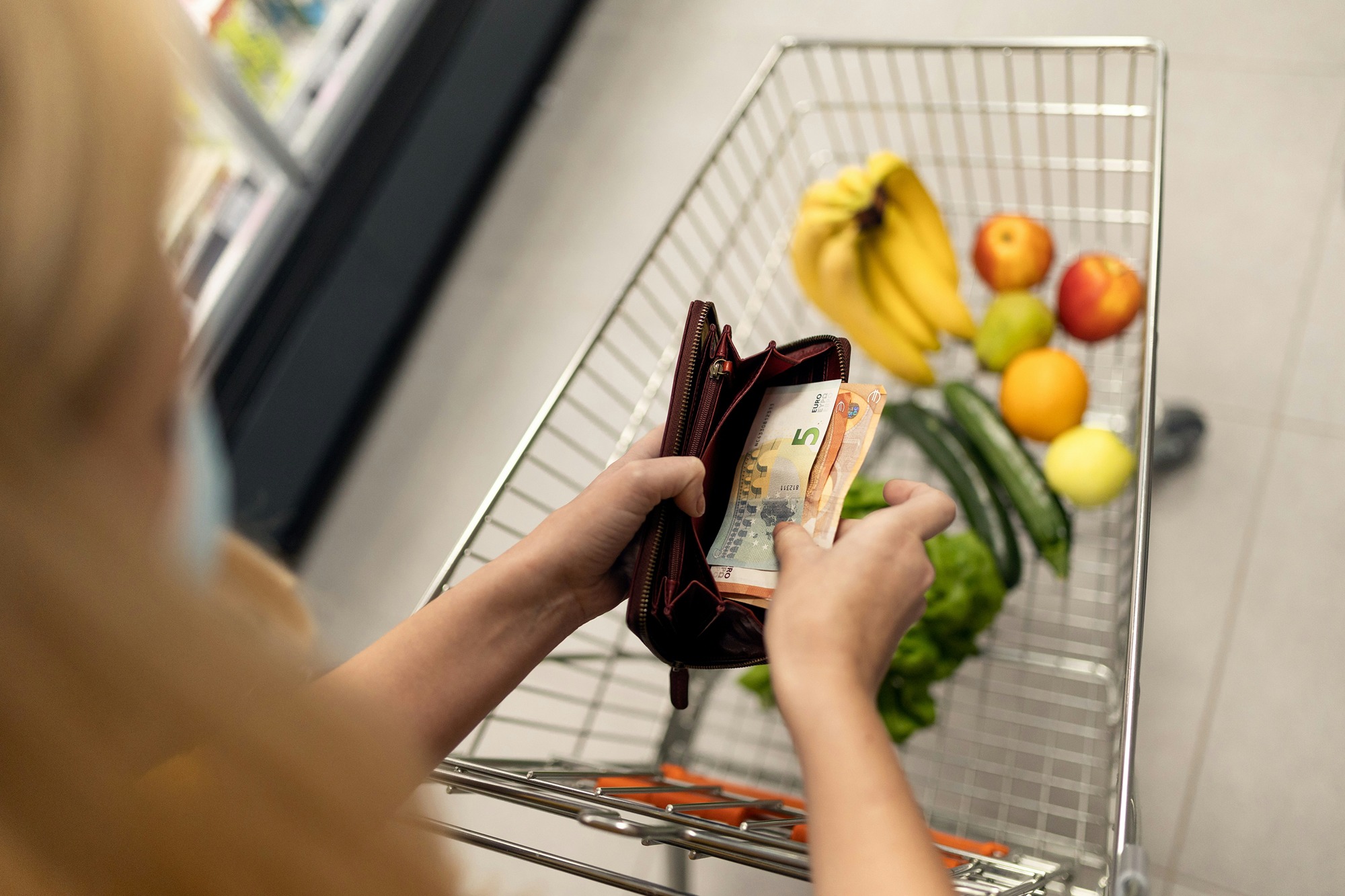
Worst-case scenario planning says UK could face food shortages by summer if the Iran war continues but price rises are more likely
A government source told the BBC it was planning for a worst-case scenario involving the continued closure of the Strait of Hormuz and breakdowns in the supply of carbon dioxide, which is used in the slaughter of some animals and in food preservation. Foods that could face a shortage include chicken and pork.
A spokesperson from the Department for Environment, Food & Rural Affairs said it would continue to work closely with businesses to tackle the impacts of the war.
Food sector leaders echoed the government reaction, with some saying they were more concerned about price rises than shortages.
The British Retail Consortium said it expected the government to carry out contingency planning, adding that retailers were experienced in managing supply chain disruption.
Other industry groups, such as the Food and Drink Federation, forecast food inflation to reach 9% by December 2026.

UK GLP-1 usage almost doubles in nine months as availability and awareness continue to rise
New Institute of Grocery Distribution (IGD) research shows that the uptake of GLP-1 weight loss medications has almost doubled in the UK since June 2025, increasing from 3.1% then to 6% in March 2026.
Findings in the first quarterly report from the IGD Futures: GLP-1 insight programme also reveal that more affluent mid-life women are the main group driving GLP-1 usage, while people aged 18 to 24 or 65+ currently use GLP-1s the least.
In terms of awareness, it found that 94% of UK adults are aware of weight loss drugs (up from 88% in June) and 42% personally know someone who uses them (up from 24% in June).
Based on monthly polling of over 2,000 nationally representative UK shoppers, IGD attributes the acceleration in uptake to growing availability through online pharmacies and increased awareness.
IGD’s research identified three user types whose motivations shape their behaviour during and after GLP-1 usage.